Cozy Internet And Inner Peace Revolution
After years of doomscrolling, influencer drama, and algorithm anxiety, a quiet revolution is happening online. People are actively seeking the “cozy internet.”
This trend is not about one specific aesthetic. It is about a feeling. Dim lighting videos, rainy café aesthetics, booktok reading spaces, nighttime routines, and quiet self care vlogs are exploding in popularity. Audiences are deliberately curating feeds filled with calming creators and peaceful content simply to protect their mental energy.
This article explains what the cozy internet is, why it is trending in 2026, and how you can use it to find inner peace in a noisy digital world.
What Is the Cozy Internet Trend Taking Over in 2026?
The cozy internet refers to online content that creates emotional comfort, calmness, nostalgia, warmth, and relaxation rather than stress or overstimulation.
Unlike content that demands constant attention or triggers outrage, cozy internet content encourages audiences to slow down emotionally. Common examples include rainy café ambience videos, slow morning routines, comfortable cooking clips, booktok reading spaces, calming gaming streams, nostalgic music edits, and quiet self care content. The common thread is intention over stimulation. Each video offers emotional softness, a deliberate alternative to the harsh, fast paced content that dominates most feeds.
What makes this trend different from previous wellness movements is that it is not about productivity. It is not about becoming a better version of yourself through effort. It is about rest without guilt, comfort without comparison, emotional safety without performance, and simple joy without complexity. For millions of people, the cozy internet has become a form of low pressure digital escapism that helps them feel emotionally safe rather than emotionally drained.
Why Are People Turning Away From Chaotic Social Media?
People are exhausted. Audiences feel burned out by the intensity of modern internet culture. Outrage cycles, endless discourse, influencer drama, AI anxiety, and hyper fast content cycles have left people emotionally depleted.
The data supports this. Mental wellness utilization across corporate India has grown 44 percent since 2023. Among employees aged 20 to 25, counselling usage recorded a staggering 203 percent growth. Gen Z is normalizing therapy at work, and the same generation is now curating their online spaces with equal intentionality.
The cozy internet trend reflects a digital parallel to this mental health awakening. People have realized that constant exposure to negativity, comparison culture, and algorithmic chaos online is emotionally draining. So they are taking control. They are unfollowing accounts that trigger anxiety. They are seeking out creators whose content makes them feel calmer rather than more stimulated. They are choosing peace, not just offline but on their screens as well.
Even the Indian government has recognized this shift. The Union Budget 2026 announced a new National Mental Health Institute focused specifically on addressing mental health challenges faced by content creators and digital professionals. This is not a niche concern anymore. Digital life is affecting mental health at scale, and people are responding by building their own solutions.
How Does Cozy Content Help With Emotional Regulation?
Comforting visuals, repetitive calming sounds, familiar routines, warm colors, and slower pacing create feelings of emotional safety for viewers, directly helping to regulate stress and emotional overwhelm.
Psychologically, cozy content serves as a form of low pressure digital escapism. Unlike productivity content that demands action or news content that triggers anxiety, cozy internet offers several distinct benefits.
Rest without justification is one of them. Cozy content gives permission to simply be, without needing to achieve anything. Comfort without comparison is another. Unlike lifestyle influencers who showcase perfection, cozy content often embraces softness, slowness, and imperfection. Emotional safety without performance is a third benefit. Viewers can watch without feeling the pressure to engage, comment, or improve themselves. Simple joy without complexity is the fourth. Cozy content celebrates small pleasures, a warm drink, rain on a window, a quiet evening at home.
Many mental health professionals note that this type of content acts as a form of emotional co regulation. When a viewer watches someone else move slowly and calmly through a morning routine or evening wind down, their own nervous system can begin to mirror that calm state. This is not passive consumption. It is active self care disguised as relaxation.
What Types of Content Create a Cozy Internet Feeling?
Several distinct categories of content have emerged as pillars of the cozy internet movement.
Rainy café aesthetics feature ambient sound, warm lighting, and no sense of urgency. Slow morning routines focus on gentle pacing, self care, and the absence of productivity pressure. Booktok reading spaces are quiet, intellectually enriching, and personally nourishing. Nostalgic music edits draw on emotional familiarity and memories of simpler times. Nighttime wind down rituals treat rest as sacred and preparation for sleep as a meaningful act.
Each of these content types offers a deliberate alternative to the harsh, fast paced content that dominates most feeds. They share a common philosophy. Slowness is not laziness. Rest is not wasted time. Comfort is not weakness.
The most popular cozy internet creators are often described as quiet influencers. Unlike traditional influencers who aggressively promote products or lifestyles, quiet influencers focus on emotionally grounded lifestyle content. They share their spaces, their routines, and their small pleasures without demanding that viewers aspire to be like them. This authenticity is what makes the cozy internet feel genuinely comforting rather than performative.
Is This Connected to the Rise in Workplace Therapy and Mental Health Awareness?
Yes. The cozy internet trend is part of a broader cultural shift where emotional well being is finally being prioritized over productivity and performance.
Consider the evidence. Mental wellness utilization across corporate India has grown 44 percent since 2023. Employees aged 20 to 25 recorded 203 percent growth in counselling usage. Gen Z is normalizing therapy at work in ways previous generations never did. At the same time, cozy internet content is exploding as audiences seek emotional comfort online. These are not separate trends. They are the same phenomenon appearing in different spaces. People are choosing peace at work, at home, and on their screens.
The Union Budget 2026 explicitly recognized this shift. The government announced a new National Mental Health Institute focused on addressing mental health challenges faced by content creators and digital professionals. This marks the first time the Indian government has formally acknowledged that digital life creates unique mental health pressures requiring targeted solutions.
For individual users, the connection is simple. Therapy helps them process and heal. Cozy internet helps them rest and regulate. Together, they represent a new understanding of mental health as something that requires both active treatment and passive restoration.
How Can You Curate Your Digital Space for Inner Peace?
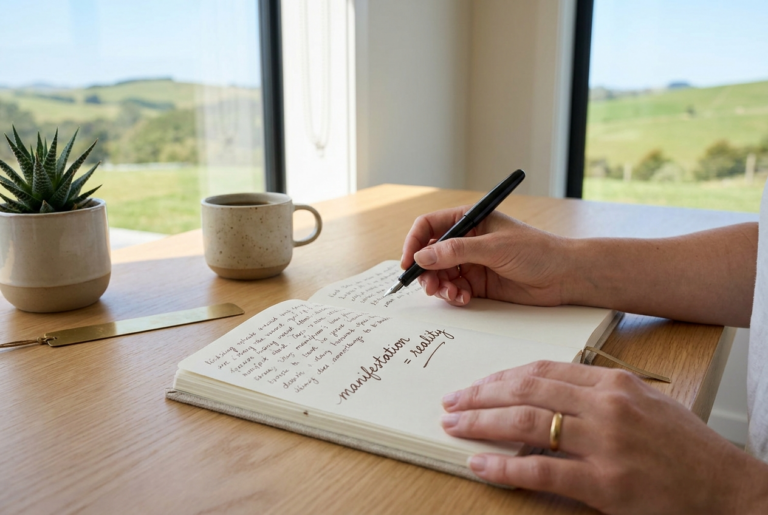
Curating a cozy digital space means intentionally choosing content that calms rather than agitates, setting boundaries around screen time, and allowing yourself to rest without justification.
Here are practical steps inspired by the cozy internet movement.
Unfollow accounts that trigger comparison or anxiety. Curate your feed like you curate your living space. If an account consistently leaves you feeling worse, remove it. There is no obligation to follow anyone who harms your mental peace.
Create phone free windows during meals, mornings, or before bed. Research consistently shows that even short periods of digital disconnection improve sleep quality, focus, and real life conversations. A peaceful morning is not wasted time. It is preparation for everything that follows.
Seek out quiet influencing creators who focus on emotionally grounded lifestyle content rather than aggressive product promotion or aspirational perfection. These creators often have smaller, more engaged audiences and produce content that feels genuine rather than manufactured.
Allow yourself to rest without justifying it. Rest is finally being treated as essential instead of something you earn after exhaustion. The cozy internet trend reflects this shift. Watching a rainy café video is not laziness. It is emotional maintenance.
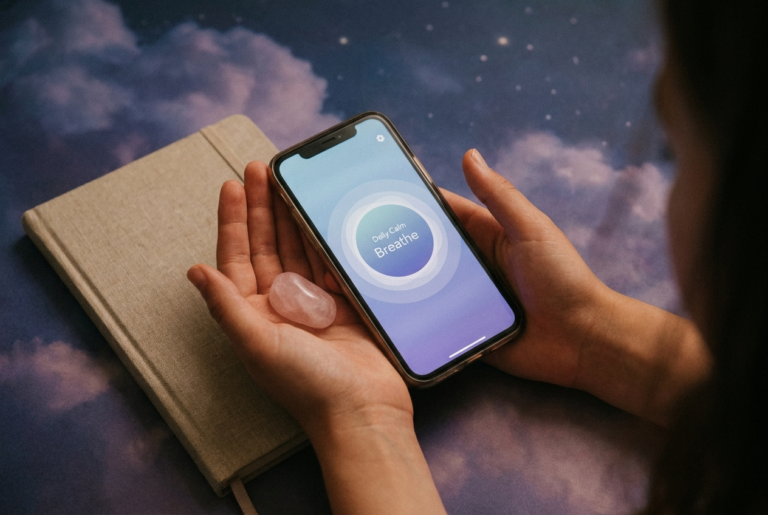
Replace doomscrolling with cozy alternatives. Calming playlists, nature soundscapes, comforting cooking videos, or nostalgic gaming streams can fill the same gaps of time but leave you feeling restored rather than depleted. The goal is not to eliminate screens. It is to use screens intentionally for rest rather than reacting to them out of habit or anxiety.
Summary: Finding Calm in a Noisy Digital World
The cozy internet trend is not just an aesthetic movement. It is a response to a genuine crisis of digital overwhelm. Millions of people are choosing peace over performance, rest over productivity, and comfort over chaos.
| Question | What the Cozy Internet Teaches |
|---|---|
| How do I stop doomscrolling? | Replace negative feeds with calming, comforting content |
| Why do I feel exhausted after being online? | Constant stimulation drains emotional reserves |
| Is it okay to rest without being productive? | Yes. Rest is essential, not optional |
| How do I start curating my feed? | Unfollow accounts that trigger anxiety; seek quiet creators |
| What is quiet influencing? | Influencers focused on grounded, authentic lifestyle content |
| Why is cozy internet trending in 2026? | A collective response to digital burnout and mental health awareness |
Key Takeaways for Readers
The cozy internet is a direct response to digital burnout. You are not weak for needing rest. Curating your feed is an act of self care. You control what enters your mind. Rest without justification is not laziness. It is emotional maintenance. Quiet influencing and cozy content are growing because millions of people feel the same exhaustion you do.
You can find inner peace online by choosing content that calms rather than agitates. Mental health awareness is shifting from crisis response to daily prevention. Cozy internet is part of that shift.
FAQs on Cozy Internet Trend 2026
What is the cozy internet trend?
The cozy internet refers to online content that creates emotional comfort, calmness, nostalgia, warmth, and relaxation rather than stress or overstimulation. Common examples include rainy café ambience videos, slow morning routines, booktok reading spaces, calming gaming streams, nostalgic music edits, and quiet self care content. The common thread is intention over stimulation.
Why are people turning to cozy internet content in 2026?
People are exhausted by outrage cycles, influencer drama, AI anxiety, and hyper fast content cycles. Mental wellness utilization across corporate India has grown 44 percent since 2023, and among employees aged 20 to 25, counselling usage recorded 203 percent growth. People are taking control by unfollowing accounts that trigger anxiety and seeking content that makes them feel calmer rather than more stimulated.
How does cozy content help with emotional regulation?
Comforting visuals, repetitive calming sounds, familiar routines, warm colors, and slower pacing create feelings of emotional safety. Many mental health professionals note that cozy content acts as a form of emotional co-regulation. When a viewer watches someone move slowly and calmly through a morning routine, their own nervous system can begin to mirror that calm state. This is active self care disguised as relaxation.
Is the cozy internet trend connected to the rise in workplace therapy?
Yes. Mental wellness utilization across corporate India has grown 44 percent since 2023, with employees aged 20 to 25 recording 203 percent growth in counselling usage. The Union Budget 2026 announced a new National Mental Health Institute focused on mental health challenges faced by content creators and digital professionals. Therapy helps people process and heal while cozy internet helps them rest and regulate.
How can I curate my digital space for inner peace?
Unfollow accounts that trigger comparison or anxiety, create phone free windows during meals and before bed, seek out quiet influencing creators who focus on emotionally grounded lifestyle content, and replace doomscrolling with calming playlists, nature soundscapes, or comforting cooking videos. The goal is not to eliminate screens but to use them intentionally for rest rather than reacting to them out of habit or anxiety.
References
- HOLR Magazine. (2026, May 26). Why “cozy internet” is taking over online again. https://holrmagazine.com/why-cozy-internet-is-taking-over-online-again/
- ETV Bharat. (2026, May 26). The new office anxiety: 44% more Indians are turning to therapy at work. https://www.etvbharat.com/en/health/mental-healthcare-indian-employees-report-ekincare-enn26052603985
- Business Standard. (2026, May 27). Gen Z drives workplace therapy surge as mental health takes centre stage. https://www.business-standard.com/health/workplace-therapy-use-surges-across-india-inc-mental-health-report-126052700511_1.html
- Times Now. (2026, January 16). *8 everyday rituals we’re rewriting in 2026*. https://www.timesnownews.com/lifestyle/relationships/8-everyday-rituals-were-rewriting-in-2026-article-153460718
- India Today. (2026, February 1). Union Budget 2026 puts spotlight on ayurveda, mental health and medical tourism. https://www.indiatoday.in/health/story/union-budget-2026-puts-spotlight-on-ayurveda-mental-health-and-medical-tourism-2861197-2026-02-01
- The Economic Times. (2026, May 25). Gen Z is normalising therapy at work: Report. https://economictimes.indiatimes.com/jobs/hr-policies-trends/gen-z-is-normalising-therapy-at-work-report/articleshow/131303314.cms