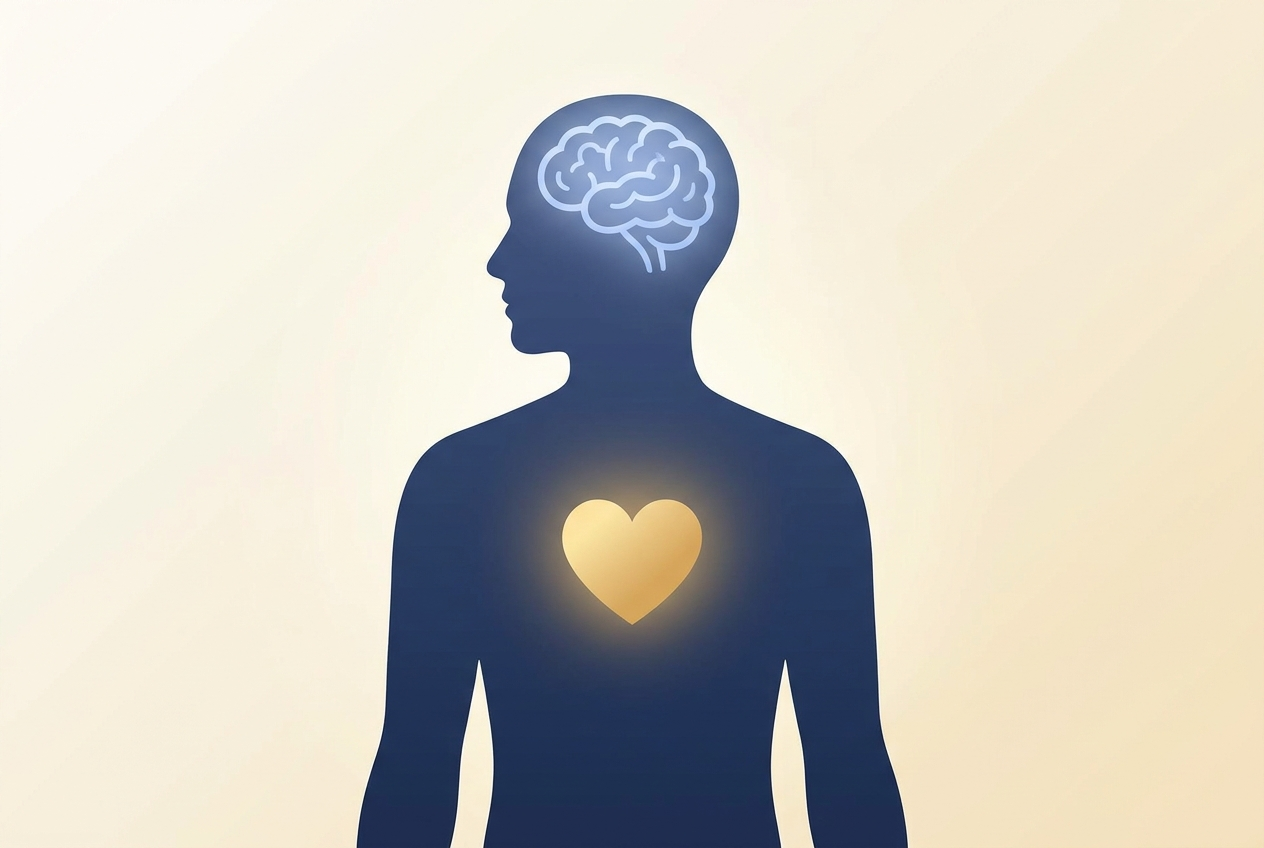
What is Emotional Fitness in 2026?
Emotional fitness is becoming one of the defining wellness conversations of 2026. People are no longer searching only for productivity hacks or motivation techniques. They are searching for ways to remain emotionally steady in a world that constantly feels overstimulating.
Stress itself has changed. It is no longer only about deadlines or workload. Many people feel emotionally overloaded all the time. Notifications never stop. Attention never rests. Even moments of silence feel uncomfortable now. That is why emotional fitness is resonating so deeply today.
The Essential Takeaway
Emotional fitness is the ability to recognize, process, and regulate emotions before stress becomes overwhelming. Unlike emotional suppression, which ignores feelings, emotional fitness builds resilience through practical tools like mindfulness, meditation, movement, breathwork, journaling, and self awareness. In 2026, this has become a major wellness trend because people are searching for sustainable ways to manage burnout, anxiety, and emotional exhaustion. Emotional fitness is not about becoming emotionless. It is about becoming emotionally steady enough to experience difficult feelings without being consumed by them.
What is Emotional Fitness and Why is it Trending in 2026?
Emotional fitness is the practice of building emotional resilience in the same way physical exercise builds physical strength.
Instead of waiting for emotional breakdown, emotional fitness focuses on preparing the mind before stress becomes overwhelming.
That shift matters.
For years, many people approached mental wellbeing reactively. Stress was ignored until burnout arrived. Anxiety was hidden until emotional exhaustion became impossible to manage.
In 2026, people are beginning to realize that emotional wellbeing requires daily practice, not emergency repair.
According to multiple 2025 and 2026 mental health studies, emotional resilience, mindfulness, and stress regulation are becoming central topics in both psychology and workplace wellbeing discussions.
A 2025 study published on PubMed explored how mindfulness practices improve emotional regulation and stress awareness among adolescents and young adults. Researchers found that momentary mindfulness was strongly associated with healthier emotional processing patterns.
What most articles miss about emotional fitness is that people are not simply trying to feel happier anymore.
They are trying to feel emotionally safer inside their own minds.
What Is the Difference Between Emotional Fitness and Emotional Suppression?
Many people still confuse emotional strength with emotional suppression.
But the two work in completely different ways.
Emotional suppression usually means ignoring feelings, hiding emotional discomfort, or pretending stress does not exist. It may create temporary control, but over time it often increases anxiety and emotional fatigue.
Emotional fitness works differently. Instead of burying emotion, it teaches people how to observe emotions without becoming consumed by them.
A 2024 randomized controlled trial published in Nature examined how mindfulness training affected emotional reactions to politically stressful media environments. Researchers found that mindfulness practices reduced emotional reactivity and improved emotional regulation compared to active coping strategies.
| Emotional Suppression | Emotional Fitness |
|---|---|
| Ignores difficult emotions | Acknowledges emotions without judgment |
| Reacts only after stress builds up | Builds resilience proactively |
| Creates long term internal pressure | Helps regulate emotions in real time |
| Relies on avoidance | Uses mindfulness and nervous system tools |
| Often increases burnout | Supports emotional recovery and stability |
Premanand Maharaj often says:
“Ignoring pain does not dissolve it. Awareness dissolves it.”
That distinction sits at the center of emotional fitness.
How Does Emotional Fitness Help with Stress, Anxiety, and Burnout?
Emotional fitness changes the body’s stress response before emotional overwhelm fully takes over.
When stress becomes chronic, the nervous system stays trapped in constant alert mode. Thoughts become reactive. Sleep becomes lighter. Even ordinary problems begin feeling emotionally heavy.
Emotional fitness practices interrupt that cycle.
Slow breathing, meditation, body awareness, exercise, and mindfulness help regulate the nervous system directly.
A 2025 randomized controlled trial published in Frontiers in Psychology found that mindfulness practices significantly reduced academic stress and burnout while improving psychological resilience among university students.
Another 2026 study published through Springer examined how short term exercise and motivational practices affected cortisol levels, anxiety, stress, and depression symptoms in young adults. Researchers found measurable emotional improvements after structured physical movement interventions.
What makes emotional fitness powerful is not that stress disappears. It is that people stop emotionally collapsing every time stress appears.
This topic also connects with our article on benefits of daily meditation.
What Are the 5 Core Skills of Emotional Fitness?
Emotional fitness is not one single habit. It is a set of emotional skills practiced consistently over time.
- The first skill is self awareness. This means noticing emotions clearly without immediately reacting to them.
- The second skill is mindful breathing. Breath becomes an anchor during emotional intensity.
- The third skill is non judgmental observation. Thoughts are observed as temporary mental experiences rather than absolute truth.
- The fourth skill is emotional regulation. Emotionally fit people learn how to respond consciously instead of reacting impulsively.
- The fifth skill is self compassion.
This may be the hardest skill of all because many people speak to themselves with a level of harshness they would never use toward someone they love.
A 2026 randomized controlled trial published on ScienceDirect explored how digitally guided exercise programs improved emotional regulation and depressive symptoms among young adults.
Researchers found that combining body awareness with intentional movement improved emotional stability and psychological resilience.
How Can Meditation and Breathwork Build Emotional Fitness?
Meditation and breathwork function like training exercises for emotional resilience.
When people meditate consistently, they strengthen the brain’s ability to remain steady during emotional discomfort. The mind slowly becomes less reactive and more observant.
Breathwork works through the nervous system directly.
Slow controlled breathing activates the parasympathetic nervous system, helping the body shift away from chronic stress responses.
A 2025 study indexed on PubMed examined how mindfulness reduced adolescent depression through stress appraisal and cognitive reactivity. Researchers found that mindfulness practices significantly improved emotional resilience.
Another 2025 study indexed on PubMed found that acute exercise improved emotional regulation after social stress among college students.
The emotional effect can feel surprisingly physical.
Thoughts slow down. Breathing softens. Mental tension decreases.
What most articles miss about meditation is that the goal is not perfection.
The goal is emotional recovery.
Readers beginning this journey may also enjoy our guide on how to start daily meditation.
How Can You Practice Emotional Fitness at Home in 10 Minutes?
Yes. Emotional fitness does not require complicated rituals or hours of practice.
Consistency matters more than intensity.
A simple 10 minute daily routine can begin changing emotional awareness surprisingly quickly.
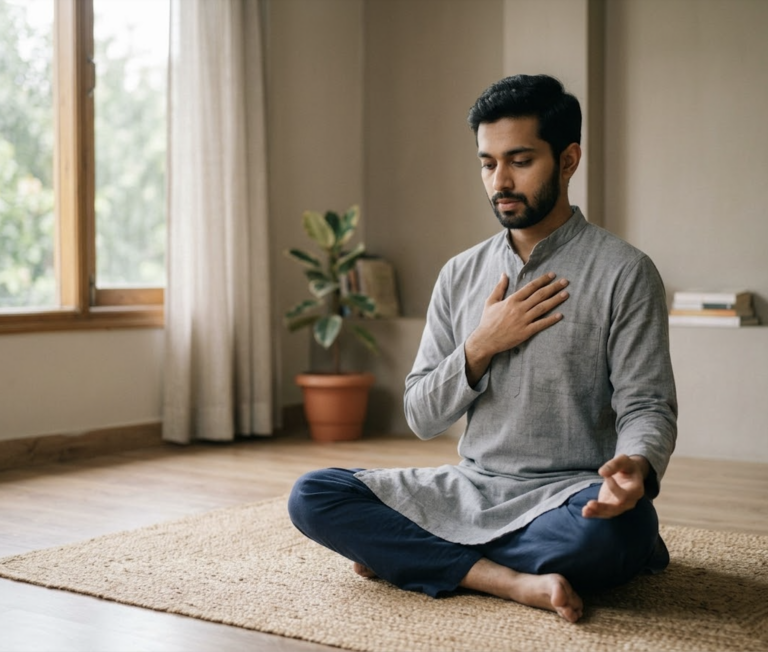
Start by sitting quietly for two minutes and taking slow breaths.
Then spend several minutes noticing thoughts and emotions without fighting them.
If the mind wanders, quietly label the experience:
- Thinking
- Planning
- Remembering
- Worrying
Then let it pass.
For the final moments, bring awareness back into the body and the room around you.
That is enough.
A graduate research study archived by the University of North Texas examined burnout and psychological wellbeing among students across different cultural environments. Researchers found strong links between emotional exhaustion and reduced wellbeing.
Sometimes ten quiet minutes can change the emotional tone of an entire day.
Summary: Emotional Fitness for Inner Peace at a Glance
| Question | Answer |
| What is the 2026 wellness trend? | Emotional fitness |
| What problem does it solve? | Burnout, anxiety, emotional exhaustion |
| What tools does it use? | Meditation, mindfulness, breathwork, journaling |
| How long does practice take? | Even 10 minutes daily can help |
| What is the long term goal? | Emotional resilience and inner peace |
FAQs
What is emotional fitness?
Emotional fitness is the ability to recognize, regulate, and process emotions in healthy ways before stress becomes overwhelming. It focuses on building long term emotional resilience.
Why is emotional fitness trending in 2026?
Rising burnout, anxiety, digital overstimulation, and emotional fatigue are pushing people toward proactive emotional wellbeing practices instead of reactive stress management.
Is emotional fitness the same as emotional suppression?
No. Emotional suppression ignores feelings, while emotional fitness teaches people how to acknowledge emotions without becoming controlled by them.
Can meditation improve emotional fitness?
Yes. Meditation strengthens attention, emotional awareness, and nervous system regulation, all of which support emotional resilience.
How long should emotional fitness practices take each day?
Even short daily practices lasting 10 minutes can improve emotional awareness and stress regulation over time.
Does emotional fitness help with burnout?
Research published between 2024 and 2026 increasingly shows that mindfulness and emotional regulation practices can reduce burnout symptoms and improve stress resilience.
What Does This Mean for You?
Emotional fitness is not about becoming emotionally perfect or permanently calm.
It is about becoming less emotionally overwhelmed by ordinary life.
In 2026, people are beginning to realize that inner peace is not created only through achievement, status, or external success. It is built quietly through emotional awareness, nervous system balance, and small daily practices that help the mind feel safer inside itself.
And perhaps that is why emotional fitness feels so relevant right now. People are no longer searching only for happiness.
They are searching for steadiness.
References
- Exploring within and between associations of momentary mindfulness and emotion regulation among adolescents
https://pmc.ncbi.nlm.nih.gov/articles/PMC12757435/ - Examining emotion reactivity to politically polarizing media in a randomized controlled trial of mindfulness training versus active coping training
https://www.nature.com/articles/s41598-024-84510-0 - A randomized controlled trial of mindfulness: effects on academic stress, academic burnout, and psychological resilience in university students
https://www.frontiersin.org/journals/psychology/articles/10.3389/fpsyg.2025.1722669 - The effects of short term motivational factors and calisthenic exercise on blood cortisol levels, and symptoms of depression, anxiety, and stress in young adults
https://link.springer.com/article/10.1186/s13102-026-01699-5 - Digital interoceptive enhanced exercise for young adults with depression: A randomized controlled trial
https://www.sciencedirect.com/science/article/abs/pii/S0165032726006841 - Mindfulness Reduces Adolescent Depression Through Stress Appraisal and Cognitive Reactivity
https://pubmed.ncbi.nlm.nih.gov/40731785/ - Acute exercise improves emotion regulation in college students following social stress
https://pubmed.ncbi.nlm.nih.gov/42088681/ - Burnout and Psychological Wellbeing among Taiwanese and American Graduate Students
https://digital.library.unt.edu/ark:/67531/metadc2178817/ - High intensity resistance exercise improves mood and lowers systemic inflammation in females
https://pubmed.ncbi.nlm.nih.gov/41110493/